
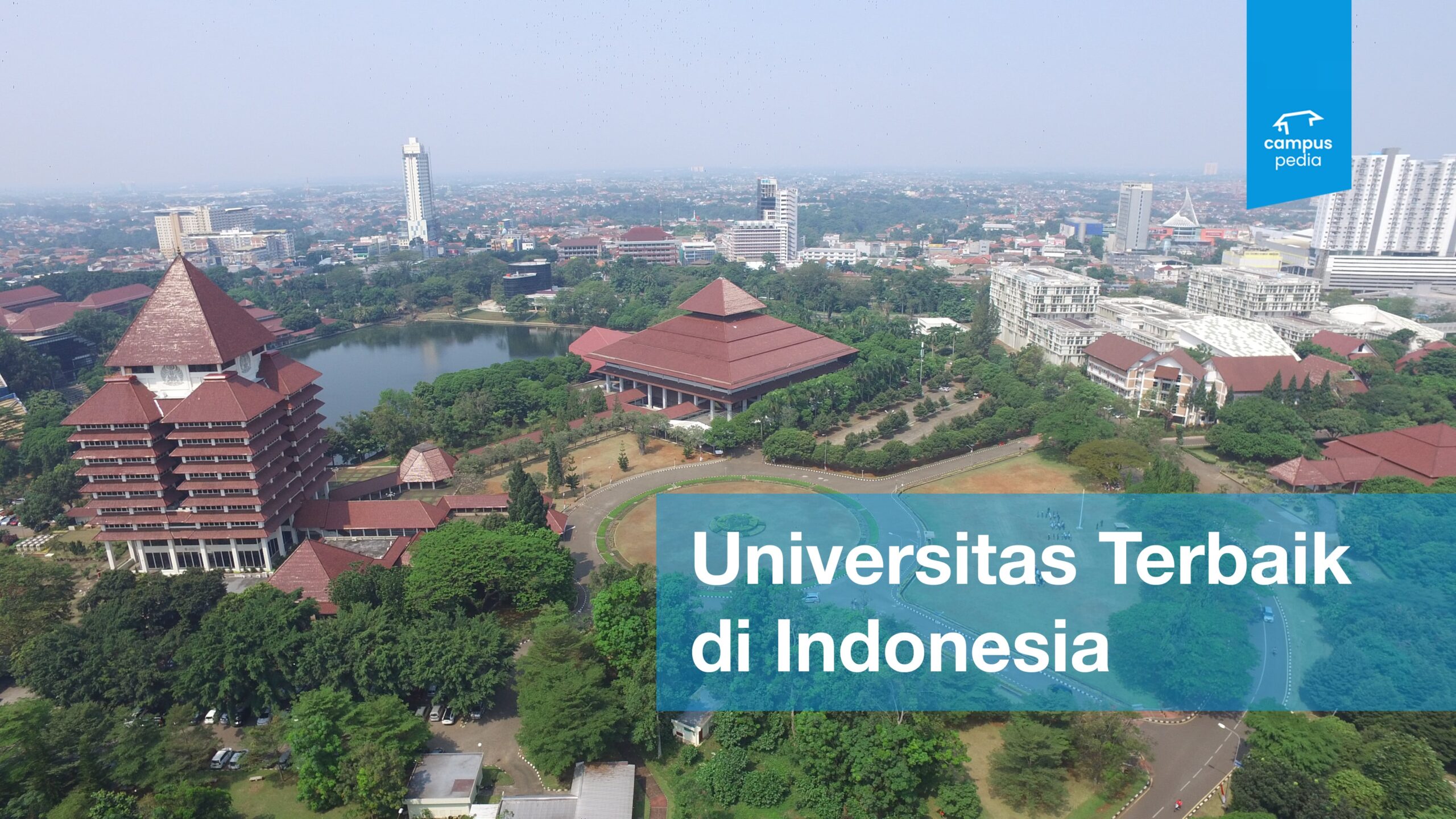
Exploring Universitas Aceh: Fakultas Hukum and Its Impact on Legal Education
Background and History
Universitas Aceh (UNACEH), established in 1961, is the first institution of higher education in the Aceh province of Indonesia. Among its prominent faculties, the Fakultas Hukum (Faculty of Law) holds a significant position in shaping legal education and practice in the region. Originally established in 1979, the faculty has evolved to meet the demands of legal scholarship and practice, creating a dynamic environment for future legal professionals.
Academic Programs and Curriculum
Fakultas Hukum offers a range of programs, including Undergraduate (S1), Master (S2), and Doctoral (S3) degrees in Law. The curriculum is meticulously designed to encompass various branches of law, including constitutional law, criminal law, civil law, international law, and Islamic law. This diverse offering is essential for students to understand the multifaceted nature of the legal landscape in Indonesia and beyond.
The faculty emphasizes a practical approach, encouraging students to engage in internships, moot courts, and simulations. These hands-on experiences are complemented by a curriculum grounded in theory, ensuring students graduate with both knowledge and practical skills applicable in real-world legal situations.
Faculty and Expertise
The academic staff of Fakultas Hukum is composed of qualified professionals, including distinguished legal scholars, practitioners, and researchers. Many faculty members hold advanced degrees from reputable institutions both domestically and internationally. Their diverse expertise enriches the academic environment, fostering a culture of critical thinking, ethical reasoning, and scholarly inquiry.
Research is a cornerstone of the faculty’s mission, with faculty members frequently publishing in peer-reviewed journals and participating in national and international conferences. Their research often focuses on issues pertinent to Aceh, such as human rights, local governance, and legal reform, contributing to the broader discourse on legal challenges and innovations in Indonesia.
Community Engagement and Social Impact
Fakultas Hukum is actively involved in community service, offering legal clinics and outreach programs that provide free legal assistance to underserved populations. This commitment to social justice reflects the faculty’s dedication to applying legal education in ways that positively impact society.
Moreover, the faculty organizes workshops and seminars that address current legal issues, bridging the gap between theory and practice. These events enable students and faculty to engage with practitioners, policymakers, and activists, thereby enhancing their understanding of law’s role in societal development.
International Collaborations
Fakultas Hukum has engaged in various international collaborations that enhance its educational offerings and promote a global perspective on legal education. Partnerships with universities in Malaysia, Australia, and Japan facilitate student and faculty exchanges, collaborative research, and joint academic programs.
These international ties broaden students’ horizons, exposing them to different legal systems and methodologies. Such exposure is invaluable in preparing graduates to operate in an increasingly interconnected world, equipping them with the skills to navigate complex legal issues that transcend national borders.
Student Life and Extracurricular Activities
Student life at Fakultas Hukum is vibrant and diverse, with various student organizations, clubs, and societies focused on legal studies, advocacy, and social issues. These organizations play a crucial role in fostering leadership skills and promoting civic engagement among students.
Regular events such as debates, guest lectures, and seminars provide opportunities for students to engage with contemporary legal issues and network with professionals in the field. Participation in regional and national competitions, such as moot court contests, allows students to showcase their skills and gain recognition for their accomplishments.
Challenges and Future Directions
Despite its successes, Fakultas Hukum faces challenges in adapting to the rapidly evolving legal landscape driven by globalization, technology, and changing societal needs. The faculty recognizes the need to continually update its curriculum and teaching methods to stay relevant.
Future directions include strengthening interdisciplinary approaches, integrating technology into legal education, and enhancing research capabilities. By addressing these challenges, Fakultas Hukum aims to solidify its role as a leader in legal education within Indonesia and Southeast Asia.
Conclusion
The Fakultas Hukum at Universitas Aceh plays a pivotal role in nurturing the next generation of legal professionals. Through its robust academic programs, community engagement initiatives, and international collaborations, it contributes significantly to the advancement of legal education and practice in Indonesia. As it navigates the challenges of the contemporary era, the faculty remains committed to excellence in legal education and social justice, ensuring it meets the evolving needs of society.